Pages

Showing posts with label Health. Show all posts

Tuesday, June 17, 2014

Phase 1 Reset: Complete!

Success! I completed my 30-day diet reset last week and I'm here to tell about it!  I began this whole journey to better health as a result of my Hashimoto's thyroiditis (hypothyroid). While my symptoms were fairly mild, I had been experiencing very cold hands & feet, dry skin, hair falling out, and low energy. After doing lots of research on healing Hashimoto's naturally, I came across Chris Kresser's book, Your Personal Paleo Code, and decided to give his plan a try. Lots of people wanted to know if I noticed changes, so now that I've completed the first 30 days, I thought I'd give an update on how it went and how I'm feeling.

First, like I mentioned, my symptoms were mild. I still have them to a degree but I feel like some of them are improving. I've definitely noticed an improvement in my sleep. I used to wake up periodically all night and now I'm sleeping soundly until morning {unless the kids wake me up, of course, ha!}. When I wake up in the morning I've also noticed that I feel rested and ready to get up. I used to always need like 15 minutes of "wake up time" before I felt ready to get out of the bed. That has been a really nice change and I'm sure a side-effect of better sleep in general. Another great positive change I've noticed is that I no longer crave sweets throughout the day, or really snacks at all. I used to keep chocolate in my fridge at all times because at some point during the day I'd have a serious craving and if there was no chocolate I'd end up eating a bunch of other crappy stuff. Now I eat breakfast, lunch and dinner. Occasionally I munch on a few bites of something in between meals, but it's usually something like a banana or some almonds. I am never in need of a "sugar fix."

So, now that the 30 day reset is complete, I had the option to add some foods back to my diet. I knew I wanted to try dairy since I missed it the most and was quite confident it didn't cause me any problems. After a few careful trials, I've added it back completely with no negative effects! I don't eat it the way I used to {half a gallon of milk per week over cereal}, but I enjoy it within the context of my new eating habits. Mostly, I add some cheddar cheese to things like scrambled eggs or a salad. And I made "meatza" which was much better than I had anticipated! The other things I've added back on a very minimal basis are honey and maple syrup. If I do need a little something sweet, I use those instead of regular sugar. I even baked some cookies for father's day that were sweetened only with maple syrup. Beyond dairy and the occasional use of honey or maple syrup, I've had no desire at  all to reintroduce grains, beans, soy, processed sugar, or any other processed foods. That is possibly the most amazing part of this. In the beginning it seems like you're giving up all these foods you love, and by the end you can't even remember why you ever ate them. My personal theory is that it's a function of the sugar controlling your brain. Break free from the sugar and you truly can be happy on just whole, real, healthy food.

For anyone who's interested, here are some of the things I ate during the 30-day reset:
**Side note: I basically wing it when it comes to recipes. I make up my own stuff and change most of the recipes I find to suit our tastes/needs, so I apologize that there aren't more links to these.

Breakfasts: {I usually chose 1 breakfast and ate that for the week}
-Ground turkey, sweet potatoes & apples
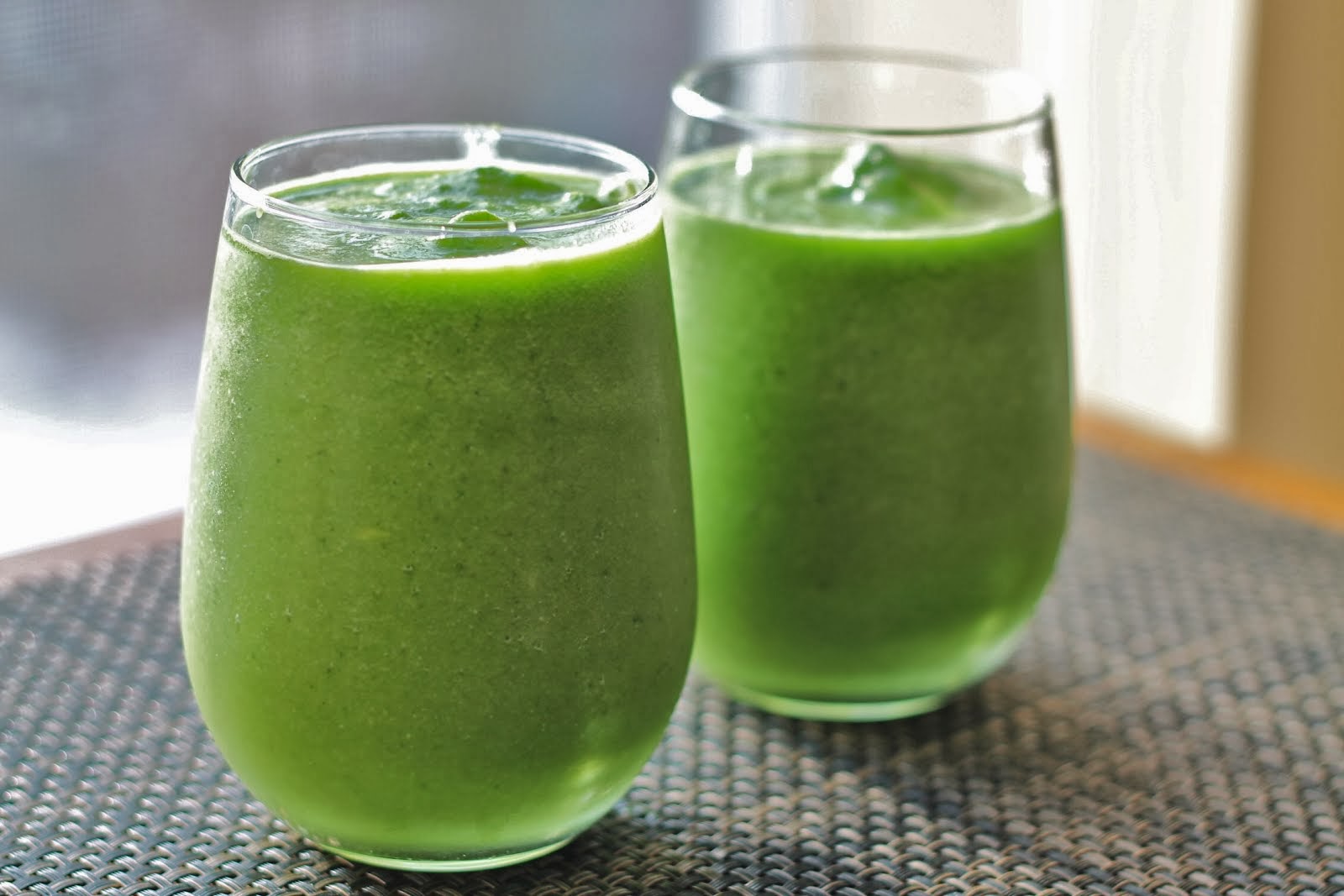
-Smoothies {bananas + berries + peaches + any fruit/veg + coconut milk + chia seeds}
-Turkey meatloaf w/fried eggs

Lunches: {Same as breakfast, usually 1 lunch for the week intermixed with leftovers}
-Leftovers
-Hardboiled eggs w/salad
-Pulled chicken w/salad

Dinners:
-Pulled pork on a sweet potato half
-Asian turkey lettuce wraps {just ground turkey seasoned with coconut aminos, garlic, ginger, salt & pepper. Add some vegetables like carrots, red peppers, green onions and serve in lettuce wraps}
-Old Bay chicken w/sauteed summer squash
-Lemon/pepper chicken {literally just grilled chicken seasoned with lemon juice and pepper}
-Steak & green beans
-BLT's {bacon, tomatoes and any other veggies served in a lettuce wrap}
-Burgers, burgers, burgers {any kind, just serve in a lettuce wrap or over salad!}
-Salmon & sweet potato cakes {mix some salmon, sweet potato, Old Bay seasoning, and an egg. I dusted mine with a little coconut flour before pan-frying in coconut oil just for a little crust on the outside}
-Spaghetti squash & meat sauce {easy and surprisingly good}

There were more, of course, but I was bad about writing them down/remembering them. Sorry! I'd love to remember to do a post each week of the dinners we eat with the goal being to show everyone that this is not a deprived way of eating. We've enjoyed every meal and have tried a lot of new stuff we never would have before. I'll do my best to keep up with that!

In the mean time, we've made a HUGE decision around here {yes, bigger than going Paleo}. It's going to take a lot of our time and energy in the upcoming months, but I'm excited to blog about it. Stay tuned!!

Wednesday, June 4, 2014

How To Celebrate Your Birthday, Paleo-Style

Usually when people hear that you're eating a paleo diet, they ask what the heck you DO eat, since so many foods in the standard American diet are excluded. So imagine the questions when it comes to parties and celebrations. How DO you celebrate something without sugar and flour?! 

I'll tell you.

Over the weekend, I celebrated my birthday. If there's one occasion that you'd like to let yourself enjoy, it's your own dang birthday. But this year, I'm eating better and I wanted to be able to celebrate my birthday without going totally off track. So I did some Pinterest searching and believe it or not, there are TONS of desserts out there that are Paleo-compliant {i.e. made without wheat flour or sugar}. In fact, I'd venture to say that almost any food you love can be made Paleo-compliant. I easily found something that sounded birthday-worthy and within the limits of my cooking skills. The recipe was meant to replicate the taste of a Twix bar. Happily, it did not disappoint! The ingredients were simple. The process was multi-stage, but not complicated. And the final product was really, really good. You would never know that it contains no grains, no refined sugar, no refined oils and best of all- no guilt.

The full recipe can be found here, but this will give you the idea....
You start with a simple crust {the "cookie" layer} made of almond flour, coconut flour, honey, butter, and a pinch of salt. Combine those ingredients {I used a fork} and press the dough into the bottom of an 8x8 baking dish. Bake for about 15 minutes at 350 and then let it cool completely.

For the caramel layer, melt a stick of butter in a sauce pan, add a cup of maple syrup and bring that to a boil. Then slowly add a cup and a half of heavy cream while whisking and bring that to a boil. Whisk for about ten minutes or until it thickens a bit. Then pour the mixture over the cookie layer and place it in the refrigerator to harden.
Side note: if this step seems like too much of a pain, I'd bet your favorite nut-butter would be an awesome substitute and would only require spreading!

For the chocolate layer, simply melt some semi-sweet chocolate with a tablespoon of coconut oil. You can use a double boiler, a heat-safe bowl set over a pot of boiling water, or a microwave. Once it's melted and smooth, pour it over the caramel layer and return it to the fridge until the chocolate hardens.

That's it! Real food. Nothing refined. Plenty sweet and delicious. Zero deprivation. If you don't believe me, here's my 4-year-old eating a piece...

Of course you can't eat the whole pan. I actually had leftovers so I cut them up and froze them on a cookie sheet, then transferred them into freezer bags for later. I thought they'd be a perfect take-along option for parties and occasions when I want to enjoy dessert without wrecking my system.

So if anyone thinks a paleo diet wouldn't work because you just can't give up your sweets, or it would be impossible to enjoy a party... that excuse is now gone. You can have your health and celebrate, too!

Thursday, May 29, 2014

Half-Way There!

At this point we're just over half-way through the Step 1 Diet Reset phase (very very much like the Whole30, if you're familiar with that). In some ways it feels like the first two weeks have gone quickly, and in other ways it feels like two more weeks seems reeeeally long. But alas, I have survived. I am on track, and I even weathered a holiday weekend mostly unscathed! I'll say it: I'm proud of myself. At the outset this seemed a lot harder than it has been. I'm not sure if that's because I'm only half-way through, or if it's a sign of my mental determination {really hoping it's the latter}, but I'm feeling confident that switches have been flipped... permanently.

My family really wants to know how I'm feeling. Do I notice any big changes? Is this whole thing even worthwhile?? After two weeks, I can't say I feel dramatically different. I still have the hypothyroid symptoms that set me off on this journey in the first place. But, I also don't think it's realistic to expect myself to be "healed" or "cured" after two weeks either. The point of sticking to a strict set of especially healthy foods for this 30 days is to get the other stuff out of my system. It takes time for the body to get rid of some of the things that were party of my previous diet. Once that 30 days has passed and my system has settled and begun to repair, then I will start paying close attention to see if my symptoms start to improve. At this very minute, I'm sitting under a fleece blanket, wearing a hoodie and my hands and feet are ice cold. Somewhere over the next few months, I'll be looking for them to warm up. Over the past week I've found 3 pieces of my own hair in one dish of food, and a piece in my glass of water that ice cubes had fused around {seriously gross, I know}. Six months from now, I'm hopeful that won't be such a common occurrence. We'll see. It's possible that this change in my diet will help me, but that I'll still need thyroid medication. It is what it is. But that doesn't mean that I've wasted my time eating better. Quite the contrary actually.

Here is where I have seen change: The more I read of Your Personal Paleo Code, the more convinced I am to commit to a Paleo-style diet for life. There is so much information and evidence indicating which foods are the most healthful and which foods are lacking {not to mention potentially harmful}. I've also learned so much about how the health of our digestive system affects so many other conditions and areas of the body. I mentioned before that I'm someone who has always been opposed to "diets." This is genuinely not a diet. The bottom line purpose of this information is health and healing. That you will not find from Atkins, South Beach, Weight Watchers, Jenny Craig or any of the other common diet plans out there. The goal among them is simply weight-loss, and maybe better health as a side effect. This is something different. Something bigger. Definitely something better. For a while now, despite a handful of people I know endorsing it and encouraging me to try it, I avoided a Paleo diet because I felt like it was unsustainable for me. I thought it was too strict and I just wasn't willing to commit to that for the rest of my life. I could find other ways to maintain my health. Thankfully, circumstances in my own health shoved me toward it to a point where I had to look into it out of curiosity if nothing else. Now that I've learned more and given it a try, I don't see myself going back. Don't get me wrong, I don't intend to stick to the strict guidelines that are used for this first 30 day phase forever, but I don't plan to stray too far from it either. It will remain the basis of my diet. I'll reintroduce some things, like dairy which I've really missed, but I'll probably eat less of it than I did before. And everything else will be an occasional treat. Nothing is banned for life, and for me personally, that helps immensely with my resolve.

So that's where I am at the halfway point: hanging in there better than I thought I could, learning more every day, more convinced than ever that this was a smart choice, and committed. Let's see what the next 2 weeks brings!

Thursday, May 22, 2014

Personal Paleo Code: 1 Week In

We've been at this 30-day diet reset thing for a little over a week now {closer to 2 weeks, these posts take me a few days to compose & edit!}, so I figured I'd post an update on what we're eating and how we're doing. First, to give you a framework of what we're eating, the "reset" phase of the Personal Paleo Code consists of: meat, fish, eggs, vegetables, fruits, nuts, seeds, and healthy fats. No dairy, grains, legumes, sugar/sweeteners, industrial oils like canola, or artificial ingredients. Sound tough to live off of? It's really not that bad.

For breakfast I've been eating ground turkey with sweet potatoes and apples, berry smoothies made with coconut milk and chia seeds, and of course the incredible edible egg with some combination of salsa/avocado/tomatoes. Who needs cereal {i.e. sugar} to start the day? I will admit that I struggled a little with black coffee. I was used to a little sugar and some half-and-half, and black coffee was just not as exciting for me. I drank it for a few days, then gradually blended it down to half-caff, and finally to none at all. I prefer not to be reliant on a cup of coffee in the morning anyway. I really drank it because I love the taste, and once that aspect was gone there was no point. 

For lunch I stuck to my usual salads, though I switched to olive oil & balsamic vinegar instead of the honey-mustard dressing {homemade} I had been using before. I also had to omit cheese or black beans which I often included before. Instead I added avocado and/or boiled eggs. Sadly that has proven to just not cut it for a lunch meal. I've experienced more than one episode of extremely low blood sugar in the evenings where I start feeling dizzy, light-headed and like I need to eat something, anything immediately. It makes sense since I'm consuming significantly less sugar and carbs than I used to. Hopefully it's just my body adjusting to it's new fuel type. I did some quick online research and some advice was to eat more carbs {fruit or sweet potatoes} and other advice was to stay away from carbs {which could be causing a blood sugar crash} and eat more protein and fat instead. For today's lunch, I decided to skip the salad and go for something heavier.

Two salmon/sweet potato cakes, steamed carrots, and two boiled eggs. I also had an apple after that. 

It did not disappoint! My evening was much better. So, note to self: salad on the side, good dose of protein for the main component.

That brings me to dinner. Dinners have been the easiest and most fun. Some of our dinners have been steaks, burgers with pineapple slices and sweet potato chips, tacos in romaine leaves, pork roast and sweet potatoes, those salmon cakes I mentioned above, and a roasted chicken... all with a variety of vegetables. It's really simple - chose a meat, prepare however you want {within the parameters of the diet, e.g. no cheese}, chose a complementary vegetable.

I've even made ice cream out of frozen bananas using my food processor. Just slice and freeze a banana, place in the bowl of a food processor with other fruit, cinnamon, cocoa powder, nuts, etc. and process until creamy. I'm not sure I'll ever need to buy dairy ice cream again. I also love that it only makes a small amount so it's not just sitting in the freezer waiting to be eaten.

As for how we're feeling- I don't think either of us have noticed anything dramatic at this point. The first 2-3 days were a little rough for me in terms of energy, but I've definitely bounced back from that. I mentioned my couple of episodes of dizziness. Hoping that's just an adjustment to consuming significantly less sugar/carbs than before. I do not find myself hungry or experiencing cravings, which is wonderful and way beyond my expectations going into this. I thought for sure I'd be craving all the things I couldn't have. I used to always eat a bowl of cereal before bed also {a habit from childhood}, and I haven't been eating anything past dinner except the two times we made ice cream. I'm not ready to say that I see or feel my thyroid symptoms vanishing either, but hopefully I'll start to see improvements by the time the 30 day reset phase is ending {which will be June 10}. Without blood tests before and after I won't know definitively if the changes I've made are positively affecting my thyroid function. I do plan to follow up with my endocrinologist to check on my levels. They were only "slightly" off normal before, so it'll still be difficult to say whether any positive change is attributed to my eating habits or not. What I do know is that I've eliminated potential threats. By not eating foods that are known to be problematic both for my immune system and my thyroid, at least I feel confident that I'm not doing harm to myself. 

In addition, eating healthier is... well, healthier. I'm only helping myself in a variety of ways by changing my habits for the better now. My motivation originally came from having an auto-immune thyroid disorder, but the more I learn the more I believe that this change is just a smart thing to do for my long-term overall health. I'm sure there will be occasions and instances where I consume refined sugar or an artificial ingredient, but knowing that I'm careful 95% of the time will make those isolated instances much less of an issue. Therefore, I get to indulge when it's absolutely worth it and still maintain all the benefits of a clean diet. I'd say that's the best of both worlds!


Friday, May 9, 2014

My Personal Paleo Code

Ahhh, I can't believe I'm writing this... So. As I mentioned a few posts ago we recently went gluten-free due to my under-active thyroid. What I thought was an experiment to help my thyroid also proved to highlight the cause of the eczema issues that Carsen had been dealing with. After eliminating gluten from our diet {around mid-February}, I've continued doing research on thyroid disorders- Hashimoto's Thyroiditis {an autoimmune hypothyroid disorder or AITD} in particular. I've read articles, blogs, meta-research, e-books, and watched an online seminar. I have learned A LOT about how the thyroid functions, and perhaps more importantly- what it means to have hypothyroid/Hashimoto's. And I have to say, you can barely read a word on Hashimoto's or AITD without mention of the dreaded Paleo diet in some form. I say dreaded because it's something I've been avoiding for a long time, but in the back of my mind have known was probably a good idea. Anyway, everything I came across was written by a Paleo enthusiast, included testimonials by autoimmune sufferers who had great success on the diet, or included recommendations for it. I imagine the same is true for a lot of autoimmune disorders since that seems to be the connection between Paleo and Hashimoto's. In short, eating a Paleo diet seems to heal/reverse a variety of autoimmune disorders at best, and provide some relief of symptoms at worst.

Since I am most interested in managing my condition with an integrative/functional medicine approach {treating the cause of the problem instead of just suppressing symptoms}, I was rather intrigued by all the positive Paleo talk I encountered, so I went to the library to pick up this bad boy....
Only 394 pages of history, science, encouragement, testimonials, recipes, meal plans, and resources.

In general I'm opposed to "diets," especially ones that eliminate entire categories of food. They just seem really difficult to maintain over the long-term and if I can't maintain it for life then it's not really worth it to me. If you know anything about the Paleo diet, it's pretty restrictive: no grains, no dairy, no sugar, no legumes, no soy, no refined oils, no artificial ingredients. Boiled down, it's basically meat, eggs, fish, vegetables, fruits, nuts and seeds. Pretty rough, right? People do it though. And you can't deny that it's a very nutritious way of eating. I personally just have a hard time with things being totally "off limits." That only serves to make me crave those exact foods like never before. Thus, I have been opposed to the Paleo diet {for myself} from the first I learned of it, mostly on the basis that I felt like there's no way I could maintain it. That is, until I ran into a guy named Chris Kresser along my thyroid research journey.

Chris Kresser has written extensively about thyroid health and Hashimoto's, and even more about autoimmune disorders, and more still about health in general. After reading the articles and e-books on his web site and hearing his talk in the online seminar I watched, I headed to the library in search of his newest book. I figured it was worth reading for free :) At this point, I'm still in the first section and ready to dive into the plan! I can't really believe I'm saying that myself, but I am so ready to see if it can make a difference for me. 

So, how was I so easily convinced after being so totally opposed??
First- From what I've learned about hypothyroid, the vast majority {some sources say up to 90%!} of cases are an autoimmune condition {Hashimoto's Thyroiditis}. I'm kind of terrified that I likely have an autoimmune disease. I don't like that one bit and this is something I can personally do about it.

Second- As such a large portion of our immune system is housed in our digestive tract, autoimmune conditions can be a result of problems like a "leaky gut" {when the lining of the digestive tract becomes irritated and allows tiny particles of what we eat to enter our bodies outside the intestines}. The way to repair a leaky gut is to stop eating foods that irritate it, and to eat foods that are gut healing instead. This is the basic premise of the Paleo diet.

Third- The book, Your Personal Paleo Code, outlines a 3-step plan that makes the Paleo diet much more manageable and customizable than the super-restricted list of foods I described above. It starts out with a very bare-bones diet of foods known not to irritate the gut. After 30 days of gut healing {longer if you want}, the second step is to begin adding some foods back in like dairy or legumes. Dairy will probably be most sorely missed by me, so I'll definitely want to try that one. Some of those "off limits" foods are just plain bad for you though and you probably shouldn't bother adding them back anyway. I mean, going right back to eating refined flour, sugar and oils is just going to put you back where you were when you started. Adding things gradually on a trial basis helps you to identify which foods are well-tolerated and which ones trigger your symptoms or make you just not feel well. The third step is fine-tuning what you learn from the second step: macronutrient ratios, adjusting for your personal activity level, figuring how much and how often you need to eat, and how you can further optimize your health with things like super-foods and supplements. 

Fourth- There's a lot of credible evidence in the book pointing to the benefits of eating a Paleo-style diet. These include not just longevity, but decreased risk for so many of the awful ailments that have become the common causes of death for Americans like cancer, heart disease, stroke, and Alzheimer's. Honestly, what happened to dying of plain old age? That's what I'm going for- really old and fairly healthy right to the end. Of course, nothing guarantees long life, or even health. But if there are simple things I can control, like eating better, that can reduce my risks for some of the nasty diseases that could cause me suffering as I age, then why not? Not to mention the benefit of better health, strength, and energy now while I'm young and raising my children. 

Ok, so that's the long and short of it. A journey is about to commence! I'm nervous about sticking with it, but I'm really really looking forward to seeing how I feel and how my body responds to this new healthier way of eating. I think it's going to be a long 30+ days, but hopefully somewhere in there I'll start to see or feel changes that motivate me to hang in there. It seems especially intimidating when I think of the things I won't be able to eat {during the first step, after that he really does encourage you to enjoy anything you want on occasion, and I love that}. But if I stop and think about it in terms of just eating new things it really doesn't seem that bad. I was pinning some recipe ideas on Pinterest this afternoon, and I'll admit to being kind of excited to try some of them. Happily, Josh has agreed to join me on this journey. He has no reason not to, and I do the grocery shopping/cooking anyway so he'd probably be doing it even if he didn't know it! I know that having him on board will be a lot of motivation and will just make it easier for me. I also connected with a Facebook group that's planning to start this plan on Monday, so it will be nice to have a group of people who are at the same point in the process to commiserate share thoughts and ideas with! :D

I'll keep you posted on what we're eating and how we're feeling! Here goes nothing ;)

Saturday, May 3, 2014

How We Handled Our Picky Eater

{Image found here}

Picky eaters. Most parents deal with them to some degree at some point in their parenting careers. That's where we found ourselves with our just-turned-four-year-old over the course of the past year {give or take a bit}. As a little toddler, Carsen ate just about everything we offered her, especially fruits and vegetables. It seems we were sadly mistaken in believing she was just a really good eater, because somewhere in the middle of being 2 she decided to stop eating some of the foods she once devoured. After being such a healthy eater for 2+ years, her favorite foods began to drop off one by one until the only things she really wanted to eat were the dreaded "toddler standards"- hot dogs, pizza, grilled cheese, and chicken nuggets. Gah! How did we get here? And more importantly, what do we do about it??

I was determined not to make a huge issue out of food. My philosophy on just about everything in life is that if you make a big deal out of it, it will become a big deal. So we tried the casual approach. We encouraged her to eat her vegetables but more and more she declined. We thought maybe it was just a phase that she'd move on from, but she didn't. Like any parent I began to worry about her nutrition. She was still eating normal and fairly healthy stuff for breakfast and lunch, but she was eating less and less for dinner and not much in the way of vegetables at all. I also started to worry that she wasn't eating a sufficient quantity of food in those two meals with what little she was getting from her meager dinners.

Well, we all know what worried parents do... Google. Far and away, the most prominent piece of advice we found, both from people we know and the interwebz, was the "one meal" approach. Simply put, you make one family meal {no short-order cooking}, the kids must at least try each food, absolutely no snacking between meals, and no games/tricks/bribery. They eat or they don't. One mom describes looking her 2 year old in the eye and telling her to "eat it or starve" in this article I read, which I personally found heart-breaking. Supposedly this teaches kids to try new foods and become more adventurous eaters. They'll eat when they're hungry enough, right? ...Right??

We tried. We really did. It's no exaggeration when I say that she would eat dinner maybe once a week. She refused every. single. night. Instead of reducing the stress surrounding meal time, our stress went through the roof. Instead of just fussing at the dinner table, Carsen began asking me what was for dinner the minute she woke up from her nap in the afternoon and would whine and agonize about it all the way through meal time and straight through bed time. Every evening became hours of discussion over what was for dinner, what she did and didn't like, whining, crying, and other generally uncooperative behavior. We were frustrated, annoyed, and experiencing tons of guilt. Our child basically never had a bite to eat after her 12:30 p.m. lunch every day, and was going to bed crying and hungry every night. We don't have a lot, but we have enough food to eat. I can't imagine if I had to send my babies to bed crying and hungry so doing it by choice seemed utterly ridiculous and it ripped my heart out. Worst of all, we were getting nowhere with it.

Then one night while I was making another dinner I knew she wouldn't eat, and she was yet again hungry, cranky, and melting down about everything, I caved and asked, "would you like eggies and peas??" She stopped, I swear to you mid-meltdown, and literally snapped back to her sweet adorable self and said, "Yes I would!" Like flipping a switch, our entire evening did a 180. She began cheerfully bouncing around the kitchen. She ate her whole dinner. She played happily until bed time. After struggling for so long, it was miraculous. I decided that night that if she wanted some damn scrambled eggs and peas every night for dinner that was fine with me.

I immediately felt a million times better and swore to never send my child to bed hungry again as long as I could help it. Sometimes as parents we go against our instincts to follow the latest "expert" advice {or whatever "everyone" seems to be doing at the time}. Truly though, if it causes you and your child stress, it's probably not the right thing to do regardless of what any expert says. The more I thought about the hard-line, no-choice, eat-it-or-starve approach, the more insane I realized it was.
  • First of all, I allow her to choose what she wants to eat for her breakfast and lunch. How confusing and frustrating it must be for her when at dinner time she's told she has no choice but to eat what I've chosen or go hungry. Not to mention as a child she is unable to make her own food and is completely at my mercy. This is a situation she literally has zero control over.
  • Second, "experts" usually advise that in order to get children to cooperate, you should empower them with choices. Let them choose between the yogurt or banana, yellow shirt or blue shirt, hair up or hair down, etc. Yet when it comes to dinner, the expert advice is to allow no choice at all. What sense does that make?
  • Third, my favorite, many experts love to base their advice on how to treat children by referencing how we adults would feel when treated that way. So then my question is: how would we adults feel if we were told we had to eat food we don't like and didn't choose, or starve? I think we'd probably be cranky and out-of-sorts, too. 
  • Fourth, this approach flies in the face of everything I know about Attachment Parenting, a philosophy I am wholeheartedly committed to.
And so, our new approach is to feed her what she'll eat, among acceptable dinner-time foods {for goodness sake she's asking for scrambled eggs and peas, not candy}. We ask her to try three bites of the dinner I make and then she can opt for scrambled eggs if she wants. We also started a sticker chart and give her a sticker every night she eats all of her dinner. Guess what? We're going on 2 months straight that she has eaten her dinners! So maybe we're not actively expanding her pallette. Neither is  offering food she doesn't eat. She can't get any nutrition from it if she refuses to eat it. She loves fruit, smoothies, fruit/vegetable pouches, and eats plenty of healthy protein so she's still getting nutrients even if she doesn't gobble up brussels sprouts at the dinner table. Most little kids don't love vegetables. I will continue to offer them to her and otherwise feed her the best food she enjoys eating. Like I've said before- the best approach {to anything} is always to do what works for you and your family. The current "wisdom" didn't cut it for us in this case, so we tried something else that did and are all much much happier and healthier as a result!

Anyone else have experience with a picky eater? What worked for you? What didn't?

Sunday, March 9, 2014

Goodbye Gluten


The Luckiest {Household} has recently joined the ranks of many around the country/interwebz who have gone gluten-free. Being gluten-free has become so popular that it seems like, and is often referred to as, a bandwagon or fad diet. For many it may be, but even a little bit of research on the effects of gluten on your body is enough to make just about anyone question if they should be eating it.

For us, it started with my thyroid. Just before I got pregnant with Reagan I had some blood work that showed a very slightly low thyroid function, known as hypothyroidism. Since we were trying to get pregnant at the time, my doctor recommended that I see an endocrinologist, who prescribed a thyroid hormone supplement. When you're pregnant, hypothyroid is associated with lower IQ in babies, so even though I wasn't experiencing symptoms of hypothyroidism, it was best to go on meds for the health of the baby. I was totally fine with that.

Fast forward to after Reagan was born. I was given the option to stop taking the meds if I wanted since my numbers were so very slightly low. I am personally someone who hates taking medication unless I absolutely can't do without it, so given the choice, I decided to try to improve my hypothyroidism with dietary changes instead. When I started my research, I quickly learned that the thyroid is very similar to gluten on the molecular level, so if your body is sensitive to gluten and producing antibodies against it, they may also be attacking your thyroid {autoimmune hypothyroidism or Hashimoto's thyroiditis}. That, in addition to reading just-plain-scary stuff about gluten in your system, led me to the decision to go gluten-free at least for a while to see if it made a difference.

When you read about the process of going gluten free it can be a little overwhelming. Advice included throwing food away, cleaning your pantry top to bottom, and throwing away your toaster. Cross-contamination is a big deal for people with severe celiac, but since none of us had any digestive trouble I decided to just phase it out instead doing a cold-turkey clean sweep of the kitchen. We ate what we had and only bought gluten-free foods going forward.

The first thing we ran out of was bread since Carsen ate peanut butter and jelly sandwiches every single day for lunch. When the bread was gone I started giving her peanut butter and apples instead. At first I was worried that she'd be begging for her PBJs, but she never said a word. One week after the bread was gone, I also noticed that Carsen's eczema was completely cleared. We had been battling it for months, had switched to all-natural soaps and were applying Babyganics eczema cream to it 2-3 times a day to keep it under control. I realized I hadn't put the cream on her in days and yet it was clear. I immediately thought of the gluten - it was the only thing we had changed. About 2 weeks after that we had a crazy evening and decided it needed to be a pizza night {again, since none of us was suffering severe effects, this was kind of an "oh well" circumstance}. In a few days Carsen's hands were bright red and bubbled up with eczema again. That was enough confirmation for me that her eczema was a result of {or at the very least made worse by} gluten, and we needed to be strictly gluten-free.

Another thing I found when reading about going gluten-free was that most of the recommendations are to seek out certified gluten-free foods and avoid anything that could possibly be cross-contaminated. Again, I totally get that for people with severe reactions. For us so far, we're staying away from any foods that have wheat or wheat gluten, barley, or rye listed as an ingredient. For example, Cheerios are an oat-based cereal. Wheat is not an ingredient, but they are not certified or even labeled gluten-free because they may contain traces of wheat. So far those foods don't seem to be a problem for us, and I see no need to go extreme if it's not necessary.

In all honesty, the transition has not been difficult. We didn't eat a whole lot of wheat in the first place except for sandwiches and occasionally pasta or pizza for dinner. You do have to be careful with some pre-made foods like condiments, sauces, and soups since flour is sometimes used as a thickener, but for the most part I make those types of things myself. I also haven't purchased any GF specialty foods like GF bread or pasta. We're just finding alternatives, like apples and peanut butter instead of a peanut butter and jelly sandwich. The reality is that most of the alternatives are much healthier choices anyway {apples vs. bread is a shining example}. Pinterest is, as always, an amazing resource for finding recipes. For breakfast we do mostly smoothies or eggs. If we're in a hurry and need cereal, Chex and most granolas are GF. I eat salad a lot for lunch and the girls love peanut butter and fruit or peanut butter on a rice cake. Dinners have been the easiest since we normally just have meat and vegetables, occasionally rice. Snacks are a little tougher, but nuts, fruit, cheese, and raisins have all been our go-to options over the past few weeks. I have made several new specifically GF recipes that were really good like peanut butter cookies and brownies. I'll share a list of some of our favorite GF recipes in another post ;)

Have you ever considered going gluten-free? Did you worry it would be too hard? Feel free to ask away if you have questions about our GF transition. And if you're looking for information about gluten or reasons for going gluten-free, here are some links I came across/found helpful while doing my research:

How Gluten Wreaks Havoc on Your Gut - article by Dr. Amy Myers
Gluten and the Thyroid - an article by Dr. Mark Hyman
The Gluten-Thyroid Connection - an article by Chris Kresser. Noteworthy: while I don't discredit him and actually found the info in this article to be especially helpful, I feel it is always worth noting when the author of an article is also selling a book/program/seminar or otherwise making their living on that information.
How to Go Gluten Free - a really great blog post that advises the RIGHT way to go gluten-free: skip the fake packaged products and just eat real, naturally gluten-free foods!

I personally like to think about going gluten-free not in terms of what I can't have, but what I should have instead. After all, it's a choice to be healthier. I'm simply leaving out unhealthy foods and eating something healthier in their place :)

Sunday, February 16, 2014

Keep Calm and Princess On


Our 3.9-year old loves princesses. It started early. She was mesmerized by jewelry before the age of one. Before she knew her colors by name {between 1.5-2 years old} she was consistently choosing pink, yes, choosing. Around the same time, she started asking to wear dresses every. single. day. Then came the discovery of tiaras, and before we knew it we were living with a princess.

You may have noticed that princesses are getting some bad press these days. Some would probably say our daughter has fallen victim to the gender specific marketing of toys and so-called "Princess culture," a device of our capitalist society to keep women in the kitchen where they belong. Others might even say we've dropped the ball as parents by letting this happen. You see, princesses send the wrong message to young girls- that they're helpless and need a man to save them. Princesses don't really send the message that girls should focus on their education or a career either since they generally dance around a castle all day, helpless and waiting for a man. Worst of all, princesses tend to be pretty, wear pretty dresses, and have lots of jewelry {so as to attract a man}. This leads young girls to believe that their value lies only in their physical appearance. 

I don't entirely disagree with those concerns. And yet, we let her play princesses to her heart's content and let her choose pink toys, clothes, shoes, crayons, you-name-it, whenever she wants.

Here are 5 reasons we're going to keep calm and princess on:

1. Princesses have come a long way since Cinderella.
In case you haven't seen a princess movie lately, they're not all damsels-in-distress anymore. In fact, most of the princesses in the more recent movies are the heroines of the story. Carsen hasn't seen most of the princess movies, but the ones she has seen have strong main characters. Anna & Elsa are her current favorites, and if you haven't seen Frozen, you should. Additionally, not all princesses are a creation of the Walt Disney corporation! What?! I know, it's shocking. Seriously though, there is still real actual royalty out there in the world and some of them are amazing role models. The obvious example is Kate Middleton, who Carsen knows and recognizes as a princess. She's certainly beautiful and wealthy and married to a prince. But she's also a good person, a mother, and a great role model. I have no problem with my daughters looking up to her.

2. "Princess culture" and the "pink aisles" aren't a device of evil capitalists, and we're not their victims.
They're a device of parents and the other people who buy toys. Quick econ lesson for ya: In a capitalist system, consumers control the production of goods and services through demand. What people buy is what producers will make. If people buy a bunch of sparkly pink princessy stuff, that's what they'll make. If people buy pink kitchens, and pink baby dolls, and Barbies with tons of makeup on, that's what they'll make. A capitalist (a.k.a. "free") market also means we have the freedom to buy what we like and leave what we don't like on the shelf. So, if you want your daughters to play with trucks and dinosaurs, just walk 2 aisles over and there they are waiting for you. If you want your son to play with a kitchen or doll, just buy him one. It's that simple. Show toy makers what you want them to make more of by buying those toys and leaving the rest. You "vote" with your dollars. Our children aren't victims of evil toy makers. No one is trying to keep our daughters down. They're just doing smart business and trying to make their living like everyone else by giving consumers what they demand. Personally I'd much rather live in that society than one where toy makers make what they think is good for kids.

3. The bigger deal you make it, the bigger deal it becomes. 
Just like when a kid says a curse word, you don't want to make too big of a fuss over it because then they'll just keep saying it. She loves princesses. That ship has sailed. If I were to attempt to dissuade her, point her in another direction, or casually phase out the princesses it will just give them power. It's something she's attracted to, so when I start pulling her away from it she'll only want it more. Allowing her to indulge makes it just another thing we play, like sidewalk chalk and doctor, and much less likely to have some dramatic bearing on who she thinks she should be when she grows up.

4. I have no problem with domesticity, as society seems to. 
Why is it that we're so afraid of little girls playing princess or dolls or kitchen? We're afraid they'll grow up to cook and clean and raise children. God forbid! Guess what I do? Yup, I cook and clean and raise my children. I also have a Master's degree. I'm going to let you in on a secret... education, career and domestic life aren't mutually exclusive. In fact, I consider myself to have the best of it all. I'm doing what is more important to me than anything else in the world- raising my children, and I also have a solid education and degree that gives me the option to work on another passion of mine whenever I'm ready to. Sadly, society today doesn't respect domesticity as a vocation. We place value on high-powered careers above marriage, family and just about anything else. That's what I want to protect my girls from- growing up to feel like motherhood isn't a worthy choice. If they're not a highly-paid, highly-educated professional with a demanding, life-controling career then their life's work isn't valuable. Well, they are my life's work, and there is positively nothing more valuable on this planet or anything more worthy of my time, energy, creativity, or passion. I hope that they'll cherish our time together as much as I do, and that they'll want the same for their own children. None of which means they can't have a career and an education. There's plenty of time for that when babies are grown.

5. I parent, therefore it's not a big deal. 
Yes, if you park your child in front of Cinderella from the ages of 2-10 and never bother to cultivate any other interests or be any other kind of role model for her, then she'll probably grow up trying to be Cinderella. On the contrary, if you actually parent then you probably have nothing to worry about. We talk about and do all sorts of things in addition to playing princesses or babies or cooking in her play kitchen. We read together, we visit friends, we go to the library, we play at the playground, we do all types of art, we play music, we dance and sing, we run, we play ball. She loves many other things, she has many other interests, and she sees examples of strong, intelligent women all around her. I'm not even remotely concerned that playing princess is going to cause her to grow up believing she's helpless.

So, to all the moms & dads of little princesses out there: don't worry, you're not ruining them. Let them be themselves. Let them be little girls. Let them dress up, and dream, and imagine. Let them choose their toys and what color they want them to be, and it's ok if that's pink ;) Girls don't have to play with hammers and dump trucks to know their worth. They just need loving parents. Seriously, the rest is details.

Friday, January 31, 2014

Kale & Brussels Sprouts Salad

Three words: Easy. Amazing. Healthy {mostly}. 
Does that count as four words?? 

I found this recipe on Pinterest. It had me at kale bacon. If you're a kale or brussels sprouts fan, or if you're a salad person, or if you're just trying to eat more veggies you need to try this. It's simple to make, packed with super-healthy kale and brussels sprouts, and it's surprisingly delicious. The flavors are all bold, it has the right amount of crunchy texture mixed with the softness of the cheese. It would also lend itself well to a variety of other add-ins {off hand I'm thinking hard-boiled eggs, dried cranberries, diced red pepper, black olives, red onion... you get the picture}.

Here's the recipe...

Ingredients:
Salad:
2-3 cups of kale, washed and chopped
1 lb. Brussels sprouts {I think I eyeballed it and used 3-4 sprouts}, finely shredded
3-4 slices of bacon/turkey bacon, baked crisp and chopped
1/4 cup roasted almonds
1/2 cup pecorino cheese

Dressing:
1/4 cup extra virgin olive oil
2 tbsp lemon juice
1 tbsp dijon mustard
1 tsp shallot, finely minced
1 small garlic clove, finely minced
1/8 tsp kosher salt
Pinch black pepper

Instructions:
Combine kale and brussels sprouts in a medium bowl. In a small bowl, jar, or salad dressing bottle, whisk together all dressing ingredients. Toss dressing and greens until well combined. Top with cheese, bacon, and almonds.

I made a few small modifications to this recipe. I left the shallots out of the dressing, skipped the almonds, and used feta instead of pecorino cheese since I already had it for another recipe. I also stored the salad in jars since I planned to eat it for lunch over the course of a few days and wanted it to keep nicely. Also because of that, I decided not to mix in the bacon and cheese. I just added those when I got the salad out to eat each day. I had about 4 mason jar-sized portions from what I made. 

When I blew through my first batch, I made another and tried it with this dressing instead. The flavors were good, I just personally have a hard time with plain greek yogurt. The sour/bitter/bite whatever-you-want-to-call-it just doesn't work for me. It especially didn't work with the already bite-y feta in this salad. If that's your thing though, give it a try. I'm ordinarily a big honey-mustard fan.

I love to have such an easy and healthy go-to lunch that I can prep ahead and have on hand, ready to eat. I find when that's the case, I have no trouble sticking to clean, healthy lunches. The middle of the day is usually no time to start measuring, mixing, and chopping around here so simple recipes like this are one are exactly what I need :)

What healthy stuff are you eating for lunch??

Saturday, January 11, 2014

Eating Better in the New Year

Welcome to the first post in my series, "Doing Better in the New Year!" I don't really make New Year's resolutions, but I do like to take the opportunity at the beginning of a shiny, fresh new year to think about what I'd like to change or do better this year than last year. It's nice to set out in the new year with a few goals in front of me. One of the things I plan to do better in 2014 is eat better.

We don't actually eat that badly as it is. When it was just the two of us and we still had 25-year old metabolisms, I didn't really think that much about what we ate. We just kind of ate what we wanted, ate out when we wanted, and just didn't worry about it. All of that changed when Carsen was born. That's when I started paying attention not only to healthier options, but started buying more organic foods, started reading more information on healthy ways of eating and the latest research on nutrition, and watching out for things that really shouldn't be in our diet at all like artificial ingredients.

Three years later we've made a lot of progress and are eating much better than we used to, but there's always room for improvement. And even though we've learned a lot about cleaner eating, some of those habits can be hard to kick {choc-a-holic, right here}. We're a long way from perfect, but I'm a strong believer in taking baby steps to make a goal achievable. Changing small things at a time and conquering those tough habits one by one takes time but helps make the effort more manageable and less overwhelming. If I woke up one day and couldn't eat any sweets, carbs, dairy, or anything from a package, I might have a panic attack.

To be clear, eating better for me does not mean cutting out entire food groups. In fact, I find that as soon as I make something off-limits I want it even more than I did before. Instead, I try to focus on what I should eat, and still allow myself to eat the not-so-good stuff if I want it, just not all the time {kind of like an 80/20 rule, but maybe even more like 90/10}. I like knowing that I had the option but chose something better. For example, instead of making cereal totally off-limits for breakfast, I'll try to eat eggs with vegetables, or a fruit & veggie smoothie most days of the week. I find if the new options are interesting enough {eggs baked into tomatoes, yum!} and don't require too much work, then I'll be excited to have them every day. It's certainly easy enough to scramble or hard boil a big batch of eggs on Sunday to eat during the week and I'm definitely going to try some new smoothies like this one or one of these, and I really like this idea. I'd love to get the hubby and kids on board with some more vegetables and I think smoothies might be just the trick. Plus I can add chia seeds and other goodies that they'll never know about ;) There will always be times that I'm in a hurry or just really want a bowl of cereal. For those times I'll keep healthier cereal options in the pantry.

Kale & brussels sprouts salad - don't worry, it has bacon
When it comes to lunch, I often rely on the good ole turkey sandwich. It's quick, easy, doesn't require cooking, and simple enough to keep the ingredients on hand. However, it's not so great for you. Lunchmeat is processed and full of sodium, and bread is something {in my opinion} we should all try to eat a little less of. Again, I wouldn't swear off sandwiches, but for the every day I need to aim for a better lunch plan. A little bit of Pinterest perusing and I'm thinking about adding things like this, this, or this to my standard rotation. I also like a good cobb salad but it can be hard to find a salad dressing that isn't total junk. I found this recipe for a honey mustard dressing that I'm going to try out though and see if that can help keep me in the salad habit for lunch time! Of course, I'm sure I'll still have a turkey sandwich from time to time among other things.

Dinner has always been my easiest meal to plan. I usually just pick a meat, prepare it some way we like, and have a vegetable for the side. Or if we're going meatless, as we do for half of our meals {actually half, not just figure-of-speech half}, then it's usually beans, quinoa, or eggs as our protein source instead of meat. I don't believe in fake meat substitutes like tofu.

Coconut Cream Larabars - My Whole Food Life
Snacks... are my weakness. I have a sweet tooth. Actually it's more like a chocolate tooth. If I try eating an apple instead of chocolate, I end up eating 3 or 4 other things too because, really, an apple doesn't satisfy a chocolate craving. I have found that energy bars like Clif bars or Larabars do the trick since they taste like a treat but are also pretty satisfying. The problem is they're expensive, and you have to watch the ingredients in some brands/varieties. They're really meant to be more like a small meal than a snack, so they're higher in calories than you'd want a regular snack to be- another caveat. Thankfully, there's a great blog I read called My Whole Food Life which is full of recipes for all kinds of wonderful dishes, including homemade energy bars. I've made her most popular Coconut Cream Larabars before, but it was before I had my food processor so the texture didn't turn out. I wanted to wait until I had my food processor to try again, and I just got one for Christmas! I'm really excited about trying some more of her recipes like this one, this one, and this one to keep our snacks healthy and clean. Just to clarify, we don't currently snack on chocolate all the time. Carsen and I both love string cheese, cheddar, raisins, a variety of fruits, and nuts. I try to stick to those {or something similar} for the most part so she develops healthy snack habits. It's me personally who needs to have a better alternative when I'm tempted to grab a handful of m&ms!

Are you eating better for 2014? Trying to better yourself in other ways? In addition to eating better, I'm also trying to parent better, workout better, and better our home in 2014! Stay tuned for those upcoming posts and some others in this series :)

Monday, November 11, 2013

Food is Medicine {for the common cold}

All of "Daddy's girls," as Carsen calls us, are on day 4 of a head cold. Maybe it's day 5. I can't keep track. The only thing worse than having a head cold is when your littles have one too. Most people with a cold just pop some pseudophedrine and get on with life. I, for one, am not a big fan of taking medicine (or giving it to my kids) unless I absolutely can't deal without it. Plus, when you're a nursing mama you have to be extra cautious about taking any medication since it could be passed on to your nursling. You also don't want to take anything that will dry up your sinuses because it will also dry up your milk supply. And of course little ones can't take cold meds at all. Instead, we rely on humidifiers, extra pillows, saline, NoseFrida, rest and fluids to battle it out.

[caption id="attachment_834" align="aligncenter" width="504"]My poor, sick Reagan baby My poor, sick Reagan baby[/caption]

But sometimes the humidifier and some extra pillows still leave you and your little ones in misery. That's where I am! Sick and tired of being sick and tired... literally. Knowing that many common foods have health-promoting, immune-boosting, anti-illness properties, I set out to find some food-based or otherwise non-medicinal head cold relief for moms and babies. Oh, and I decided to share it with you in case anyone else is looking for the same thing :)

Here are some options I found...


1. Hot "Tea" Concoction
1/4 cup water
1/4 cup unfiltered apple cider vinegar
1 tablespoon honey
1 teaspoon cayenne pepper
1 wedge lemon
Bring water to a boil. Combine hot water and apple cider vinegar in a small glass or mug. Add honey and cayenne pepper. Stir well. Top off with a squeeze of lemon. Take a deep breath of the mixture, and start drinking!

2. Cinnamon + honey
Mix 1 teaspoon of honey with 1/4 teaspoon of cinnamon and take 2-3 times daily. Both are antiviral, antibacterial, and antifungal. Could probably be mixed into a tea as well if you can't handle eating it right off a spoon.

3. Netti Pot
Get yourself a store-bought Netti Pot (or similar device) and follow instructions.
*Side note: I would personally boil, then cool the water before pouring it up into my sinuses just to ensure it is free of its own potentially harmful microorganisms. 

4. Homemade Chicken Broth/soup
Place a whole chicken in the crockpot with 6-8 cups of water depending on the size of your bird and your crockpot. Add vegetables and season to your liking. Cook on low until chicken is done. Remove chicken and save the broth. You can use the chicken meat and make it into soup, or simply sip the warm broth (you may want to skim it for fat/pieces, up to you). This is NOT the same as buying canned or boxed stock at the store ;) Read about the benefits of real broth here.

5. Garlic
Garlic soup (garlic cloves peeled and boiled in water), garlic tea (chopped garlic, lemon juice, honey, boiling water), lots of garlic added to your food, or even just peel and suck on a garlic clove. It's a natural immune-booster and along with your budding romance, it can kill bacteria too!

6. Electrolyte Popsicles
An easy recipe from My Whole Food Life, a blog I follow. Her recipes are vegan and all-natural. This recipe is especially for kids (it can be tough to keep them hydrated when they aren't feeling well), but adults could enjoy them just the same!
*Note: this recipe contains honey and should NOT be used for children younger than 1 year.

7. Herbal Steam
Bring water just to a boil with a few drops of essential oil mixed in. Then breathe the steam. You can place a towel over your head to trap the steam as well. Just be VERY cautious with steam/a pot of hot water to avoid burns.

8. Vapo-Rub Alternative
Skip the petroleum in store-bought Vapo-Rub by mixing a few drops of essential oil like eucalyptus or peppermint with a small amount of vegetable oil and apply to the chest or soles of baby's feet to open up the lungs.

**Disclaimer - I am not a doctor or medical professional, so please use this for information only and always consult your doctor for concerns about your health and treatment! Furthermore, I have not tried all of these methods nor am I endorsing or recommending any of them. Just sharing what I found readily available online!

Overall I found lots of recommendations including honey, lemon, ginger, and garlic used in various ways. I'm sure you could play around and create your own recipe with those ingredients and still get similar benefits. That's just my personal, non-medical opinion though. I think of these I would be most apt to try the cinnamon & honey (probably in tea) or the homemade Vapo-Rub. I'd also give the popsicles a try. I can usually tough out a cold pretty well, but it's really hard to manage two little kids with colds too. The Vapo-Rub would be great for them too. As I think of it, some essential oil in a nice warm bath might be soothing too - similar to the herbal steam, minus the danger of boiling water.

Just for interest's sake, I found some really weird suggestions too! One of them was to blow a blow dryer in your face (without burning yourself) for as long as you can stand it. What?! The hot air supposedly kills the rhinovirus in your nose. Also, cut an onion and leave it beside your bed when you sleep. It's supposed to absorb bacteria/germs.

Has anyone ever tried this stuff?? Do you know of any food-based or non-medicinal remedies for the common cold? Do you have any tried-and-true practices that help when you're sick?

Wednesday, February 20, 2013

"Food" for Thought

Here's something to consider next time you feel bad about not buying that oh-so-popular organic meat: People who take birth control pills consume 7,000x the amount of hormones every single day that they would get from each 8 oz portion of "hormone-laden" steak. And I'm guessing most people don't eat 8 oz of steak daily.

Dr. Jude Capper (@Bovidiva) shares her knowledge and puts the hormones found in beef into context.
http://bovidiva.com/2013/02/13/putting-beef-hormones-into-context-aka-how-do-you-make-a-hormone/

I found that information to be startling as well as fascinating. To clarify- I'm not saying that hormones in meat are fine and acceptable. I think most people would prefer their meat as natural as possible. I'm also not saying anything about people who take hormonal birth control pills. That's their business. What I think is amazing about the connection between those two items, though, is the fact that everywhere you turn you hear about how terrible it is to eat meats from animals that are treated with hormones. There's an entire movement towards pasture-raised organic beef and chicken raised without the use of hormones. While I think that's great and people should opt for hormone-free meats whenever possible (not always an option in restaurants, and of course it's pricey in the grocery store or at the farm), It just baffles me that you hear no one raising such a fuss over the "hormone-laden" birth control pills that millions of people take every single day which contain SO much more of the same hormones that everyone considers "toxic" if it's in their beef. 

Confusing to say the least.

Thursday, September 27, 2012

Update: Health & Happiness


A couple of weeks ago I wrote a post titled Health & Happiness about some of the super-restrictive diets that seem to becoming the trend these days. I mentioned a friend of mine who had adopted one of these diets and suggested that I try it too. Well this morning that same friend shared an article on Facebook regarding the diet she follows [Paleo] that I thought was a helpful follow-up to my post. The article is from Men's Health magazine and can be found here. It's a pretty long and detailed article that explains the historic rationale behind eating primarily meat, vegetables and fruits and it makes a compelling case. However, it also includes information that questions this style of eating as the be-all-end-all for health and longevity that it claims to be. I'm just going to share a few excerpts that I found to be particularly interesting since they provide information that suggests perhaps this type of diet is not quite as necessary for health as its proponents might claim. But by all means read the full article if you're interested in the reasoning for eating a diet like this.

I highlighted points I thought were of special note and added my own comments in red.

Excerpt #1

"Some diseases have an obvious connection to diet. Celiac disease, for example, is an autoimmune condition triggered by gliadin, a protein found in gluten, a natural component of wheat and other cereal grains. Lectins are other problematic proteins found in high concentrations in beans, legumes, and cereal grains. But others have no known connection to diet, and that's where I find myself wondering if the paleo advocates are pushing their basic idea too far.

Two big problems emerge here. One is logical, the other factual.
"Here is a group of people who claim to take an evolutionary approach to life, yet show that they do not understand evolution," says Mathieu Lalonde, Ph.D., an organic chemist at Harvard. "Just because we have the same genes as our Paleolithic ancestors doesn't mean we're meant to eat the same things. There have been adaptations." For a diet plan supposedly rooted in science, how is it not acknowledged that people have constantly changed and adapted over the course of hundreds of thousands of years?!

Among them are increases in enzymes that help us digest starches and lactose (the sugar in milk). These adaptations are unevenly distributed among various populations around the world. What matters is whether a particular food is tolerated. I totally get that for some people, a diet like this can relieve symptoms they experience from a food intolerance, but it seems a little broad to suggest that it is suitable/necessary for anyone who wants to be healthy. The simplest way to figure this out, Lalonde says, is to stop eating a food or food group for 30 to 60 days and see what happens.

There's also a problem with the idea that "diseases of Western civilization" are all or mostly related to diet, or that they're even new.

Take for example Otzi the Iceman, whose frozen (thus preserved) 5,300-year-old corpse was discovered in the Italian Alps in 1991. Otzi was in his 40s when he was shot in the back with an arrow, which probably killed him. But if the arrow hadn't done him in, his clogged arteries suggest that he might not have lived much longer. (He also suffered from arthritis.) According to a recent study in Nature Communications, Otzi had several genetic markers that nearly doubled his risk of heart disease. In other words, a man who lived thousands of years before the mythical Trojan War had genes that strongly suggested he might eventually die of the number one cause of death afflicting 21st-century Americans.

The genes that show up on Cordain's disease checklist may not be exactly new either. In The Blue Zones, author Dan Buettner's study of the places where people live the longest, we meet residents of an isolated, mountainous region in Sardinia, an island off the coast of Italy. The people who live in that area have genes with origins that date back to Paleolithic times. The good news is that the people there seem wired to live for a very long time. The bad news is that they're also at high risk for a pair of autoimmune diseases: type 1 diabetes and multiple sclerosis.

So yet again we find "diseases of Western civilization" encoded in ancestral genomes. Another inconvenient fact comes to light in studies of the healthiest, longest-living people in places like Sardinia; Okinawa; and Nicoya, Costa Rica: They all eat cereal grains like wheat, corn, and rice—lots of cereal grains, in fact—along with legumes. The Sardinians are also fond of their wine and dairy.

The agrarian diet is typically low in protein and fat but high in plant-derived carbs, while the paleo diet is high in protein and fat but relatively low in carbs. If one is "ideal," then the other must be completely wrong. Right?
It's not so simple. Lalonde believes the paleo camp is winning, and he says he's seen the studies to prove it. But plenty of lab work needs to be done before we can point to the modern diet alone as the root of all evil, or to the paleo way of eating as a cure for metabolic syndrome and other modern ills."

This excerpt includes several points that seem to indicate that elimination of certain food groups is not necessarily key to longevity or exceptional health. If you read my previous post, that was one of my main points. I just have trouble buying into the idea that this is THE answer to being healthy, and that eating cereal, beans, or an occasional slice of pie will lead to autoimmune disease and inevitably your early demise, or even that you can't be supremely healthy and in exceptional physical condition if you eat those foods. I'm fairly certain you can.

Excerpt #2
"Right about the time I started working on this story, a friend who lives "off the grid" in an undisclosed location told me about his most recent fitness discovery: By doing hard physical labor and living without central heat and air conditioning, he'd become leaner than he'd ever been when he'd used conventional diet and exercise. 

So, as an experiment, I turned our thermostat down to 66 for the winter as I switched to a kinda-sorta paleo diet. That is, I eliminated almost all grains after breakfast, which was a lot harder than it sounds in a family of five. (Try eating meatballs without the spaghetti.) I went from having a nightly beer to maybe a couple of drinks on weekends. I added a salad every evening and ate fruit throughout the day. I also tried to take a nightly walk with my wife or one of our kids. The rest of my life, including three gym workouts a week, stayed the same.

By mid-March I'd lost about 10 pounds. When the weather warmed up, I noticed that shorts that had fit me the previous summer were hanging off my hips.

Since I changed three things at once—diet, exercise, and ambient temperature—I can't say which was most effective. But I bet it was mostly the diet.
Good things tend to happen when you replace processed foods with fruits, vegetables, eggs, lean cuts of meat, and the occasional baked potato. =Common sense, not a drastic elimination diet.

"I disagree with how paleo is justified," Lalonde says, "but they get the food mostly right. They're nutritious meals of whole foods."

My toes-in-the-water experiment with the paleo diet showed me that it's a simple system for limiting calories. To keep weight off, I'll probably have to stick with the plan for life, and that brings me back to the original question that the paleo diet claims to answer. Are grains really so bad? Are we all better off if we avoid them whenever possible? The only way to know for sure is to cut them out of your diet for a month or two.

You may or may not feel better (I feel about the same as I did before), but you'll probably end up lighter—exactly what you'd expect from any diet based on either eliminating or overthinking. If your diet works, it's because you've learned to follow a set of rules that keep you from eating stuff just because it's there. So if you are honestly intolerant of these foods you might feel better [less inflammation as the diet claims] but you'll lose weight mostly because you're limiting calories just like any. other. diet. Except this presents an extra challenge for long-term sustainability because it calls for elimination of multiple food groups that most people consider part of a normal balanced diet and will have difficulty avoiding entirely for the rest of their lives.

In that sense, we are still cavemen. The right foods in the right volume were a matter of life or death for them. Survival often meant finding new sources of calories. For us, the problem is reversed. Staying lean means deciding what we can live without."


This is the first article I've read about one of these diets that wasn't written by someone pedaling the diet [i.e. someone who has written a book or plan or blog on following one of these diets] and for that I feel like I can give it a little more weight. When you read articles on the caveman/primal/paleo diet blogs and websites they will convince you that you have one foot in the grave and will never be able to achieve any kind of physical fitness so long as you eat foods as poisonous to the body as peas [insert eye-roll]. You can see why I have a hard time buying the philosophy.

I'll reiterate that I have no doubt that there are benefits to a diet like this, especially if you have a food intolerance that is relieved by avoiding all of those foods. However, I remain unimpressed by extremist ideas of any kind because they're usually kind of a joke. This diet in my opinion is categorically no different from the Twinkie diet that a nutrition professor famously tried a couple of years ago. He ate only Twinkies and various other junk foods every 3 hours and every single number by which human health is  measured improved for him. It worked because it was a form of extreme calorie restriction, you guessed it..... just like every. other. diet. Nonetheless, it was a goofy idea that would be absurd for someone to attempt to use as a means of losing weight and being healthier. So maybe a diet of meat, vegetables and fruits is a little more reasonable than Twinkies but the results will be the same. You'll probably lose weight and one day you'll probably break down and eat something you "can't have."

Thus I stand by my philosophy of everything in moderation. Eat. Run. Play. Sleep. Repeat.